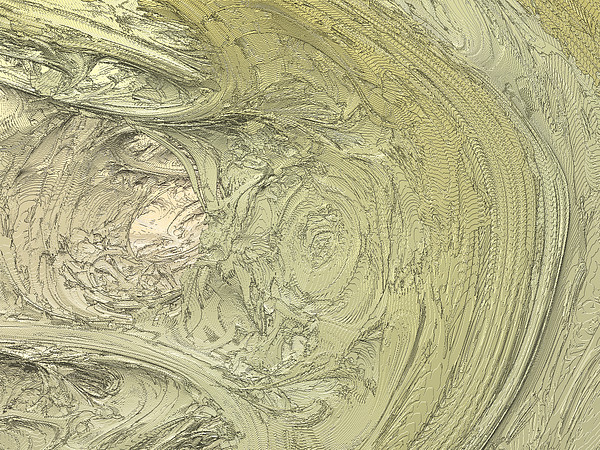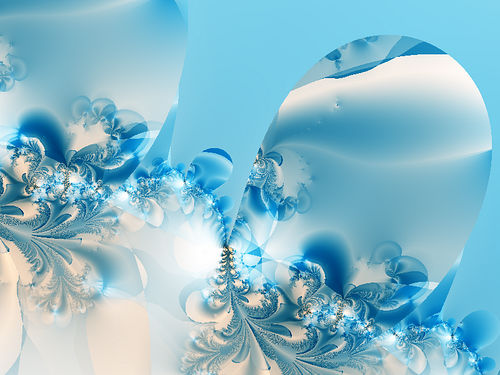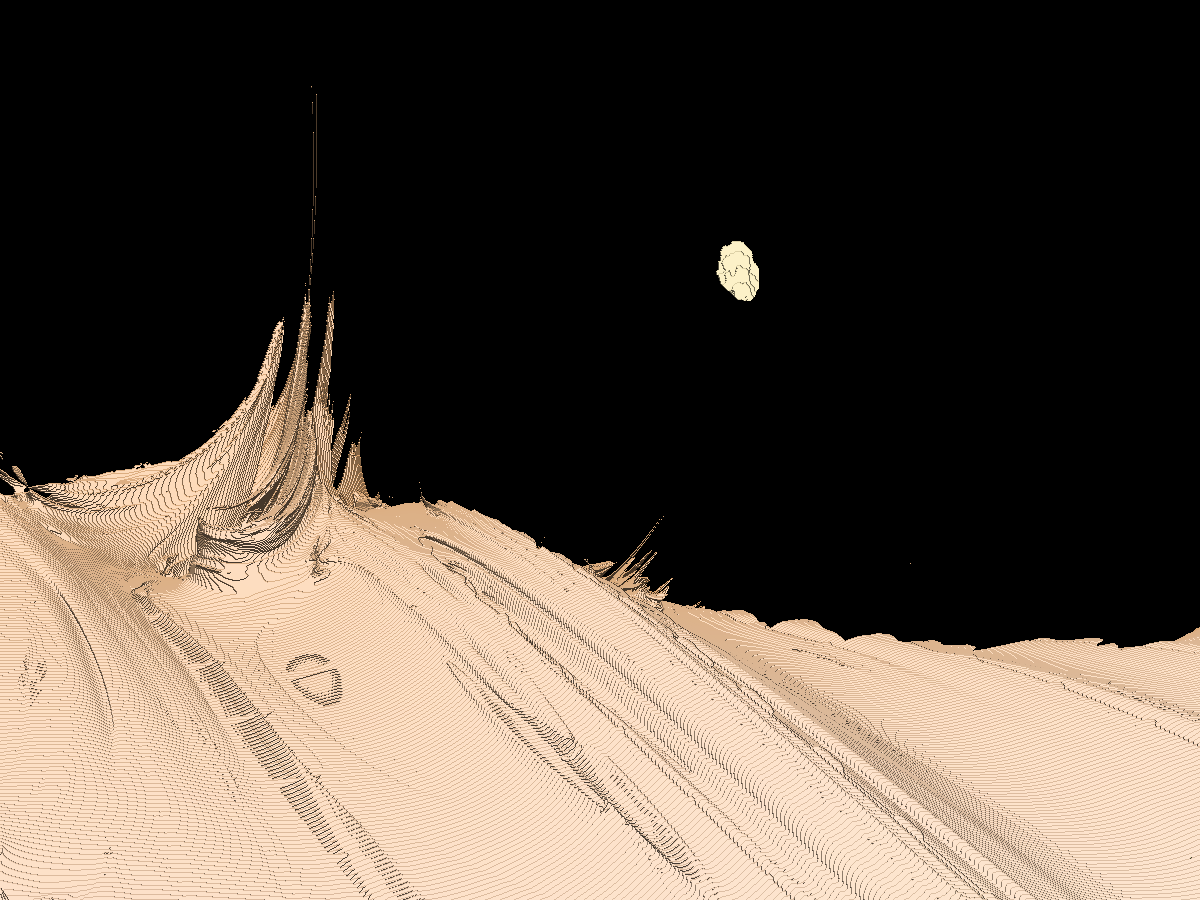

The iterative, recursive nature of fractal formulas creates not just fascinating images but entire worlds. Even 2d fractals –by their very nature– had a 3d feel to them because one could zoom into them in a fractal program just like one zooms into a microscope slide by increasing the magnification. It gives a feeling of depth even if the fractal formula is a “flat” 2d type because fractals –by their very nature– always have a little more than just 2.0 dimensions even if they don’t have 3.0 –a fractal dimension.
So it’s not surprising that from the very first fractal images rendered by Dr. Mandelbrot back in the late 70s the theme of exploration has been a big part if not the largest part of what today we call fractal art. I posted about Dan Will’s own exploratory work back in 2009 even calling him a Fractal Columbus. At his old Blogspot site, UltraIterator he continued his voyages doing what a lot of fractal artists do, which is, first of all, just explore fractal imagery.
With the advent of 3d fractal formulas this has taken on a deeper meaning because now we have imagery that has all the spatial attributes of the world we live in and creates much more vivid spaces to explore. I stumbled on this new world of exploratory possibilites while trying out the program Fractal Imaginator and –at long last– discovered my own Better Mars.
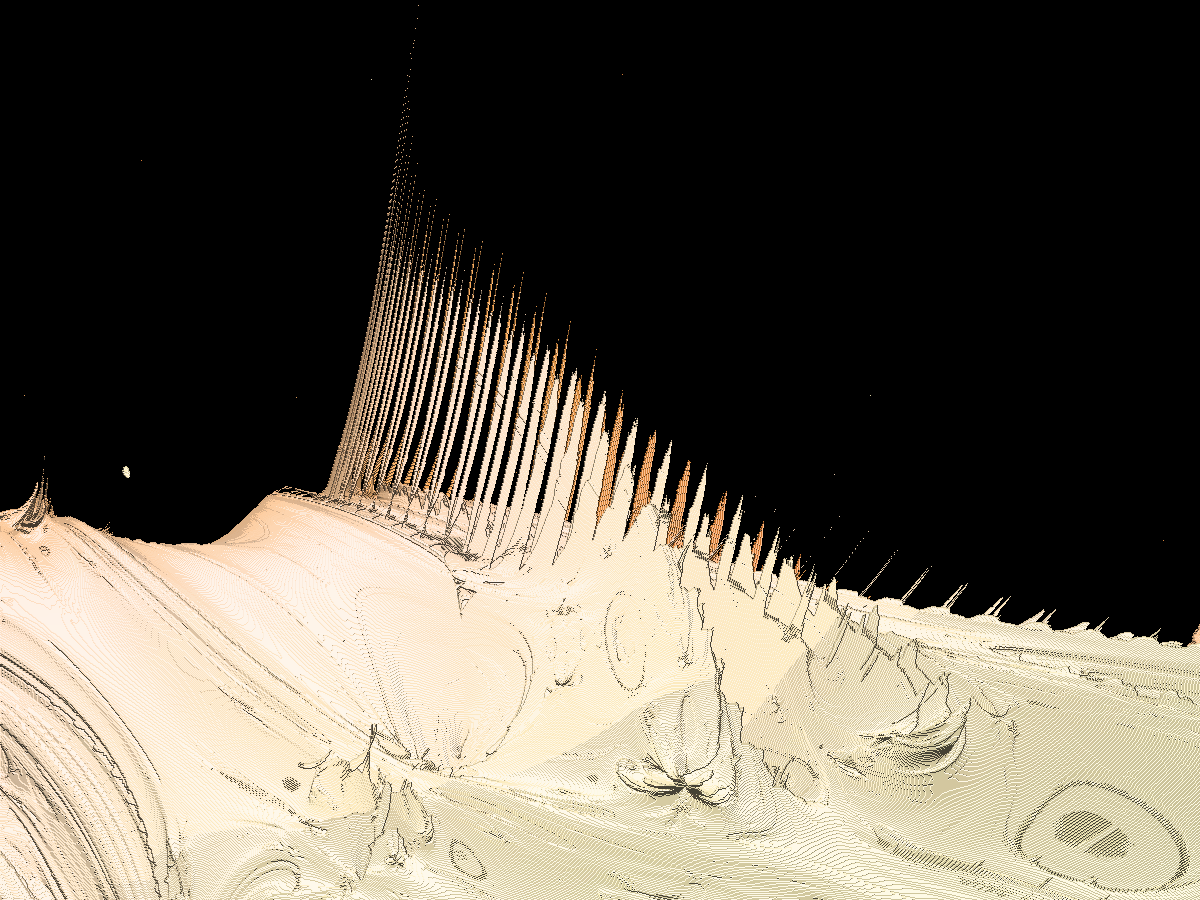
I wrote about the exciting rendering style of these images and how they resemble engravings and line drawings in my last posting, Engraver’s Paradise. The coloring palette which is an inbuilt one is also just as artistic and gives a truly Red Planet look to these images that is pretty much like the real Mars (which is farther, more expensive, more delayed and not as much fun, either).

But it’s real… Are fractals real? Since Mars is real you can return to the place you were and it’s still there, exactly the same. But actually you can do that with fractals too. Load the same parameters into the program and everything is exactly as it was when you left it. Doesn’t that sound like something permanent? And as I mentioned, you can zoom into even a 2d fractal and see more of it, and with 3d fractals that imagery can be rotated in the same three dimensions we rotate around in all day in the “real” world.
I would say that 3d fractals are as real as the images sent back from a probe (and… cheaper, closer, etc…).
Chesley Bonestell, the famous outer space artist, made this painting. It’s probably one of my favourites from his extensive sci-fi illustration works.

Alright, now compare that superb, other worldly, space exploration image with this from Fractal Imaginator,

Or with this one I posted in my last posting which has a lower resolution, grainier, line drawing look:
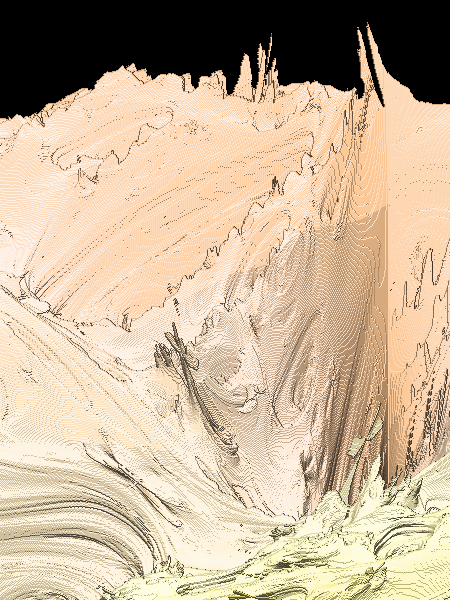
Don’t tell me I can’t go to the moon. I’ve already been there! See, I took these pictures. Better than any of those gritty grey ones the astronauts took. And mine has mountains! You won’t find mountains, real mountains like this, anywhere on the real moon. Or on Mars either apparently. Which just further proves that my Mars is the Better Mars! I think I just slapped the man in the moon’s face!
Chesley Bonestell was credited with (or criticised for) the depiction of all alien worlds as rough, craggy, mountainous scenes. The moon for instance is actually pretty smooth and dusty and even the craters are only relatively rough when compared with the vast lunar plains of moon dust. There are mountains of a sort on Mars. Olympus Mons is apparently twice the height of Mt. Everest although it’s a very large shield volcano which is just a huge oozing of lava that has piled up although it appears to have some steep ridges along the edges. My mars has that too, don’t you think? Not just oozed but also a little whipped and sculpted. Once again, better than the real thing.

Alright. Enough of an introduction. Let’s check out my Better Mars.
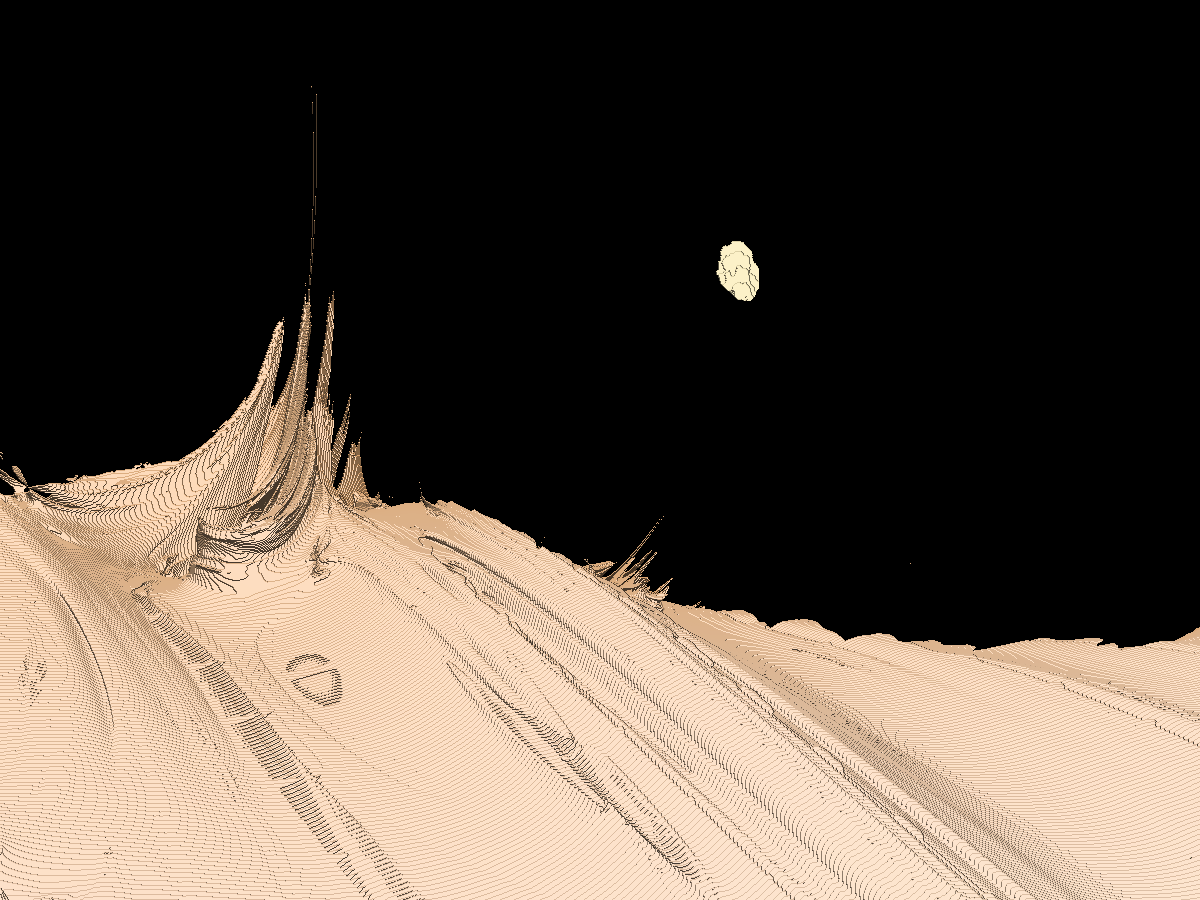

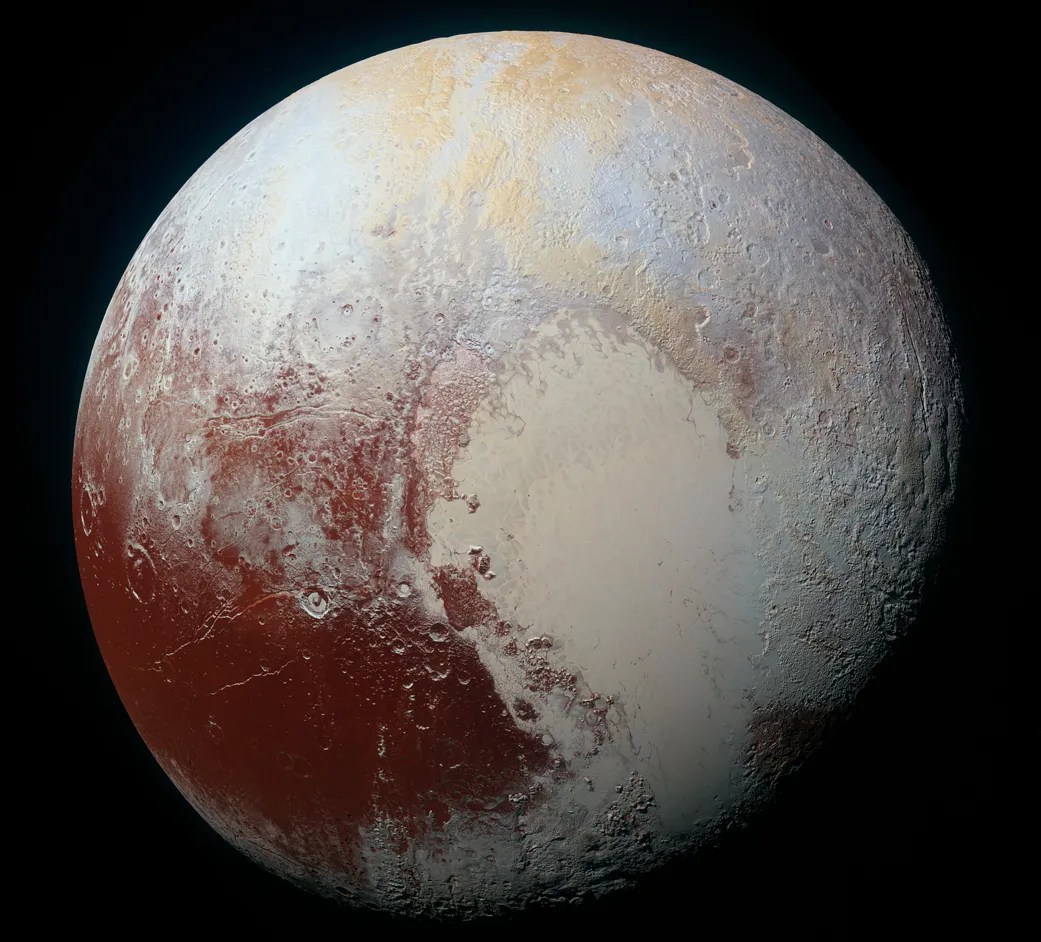
No “false color” used in my “Orbiter” photos. It’s a little creepy how much my mars is like the real one. Fractal space exploration has a lot more thrills in store than any real space exploration. And so much faster. You think a couple days rendering time is a big wait? Consider how long it took the New Horizons probe to reach Pluto in 2015 and take this interesting “bowling ball” photo. I can come up with a Better Pluto as well I’m sure.

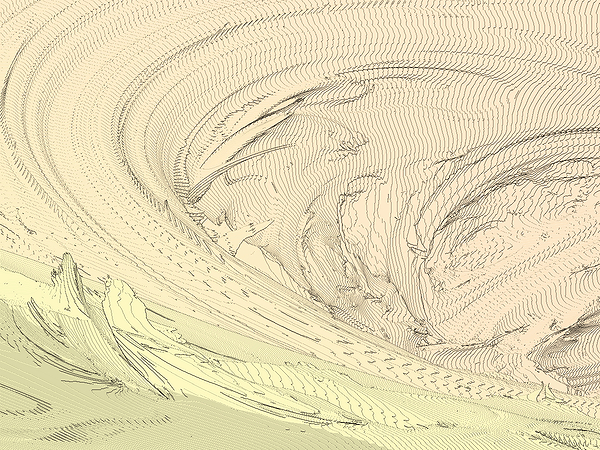
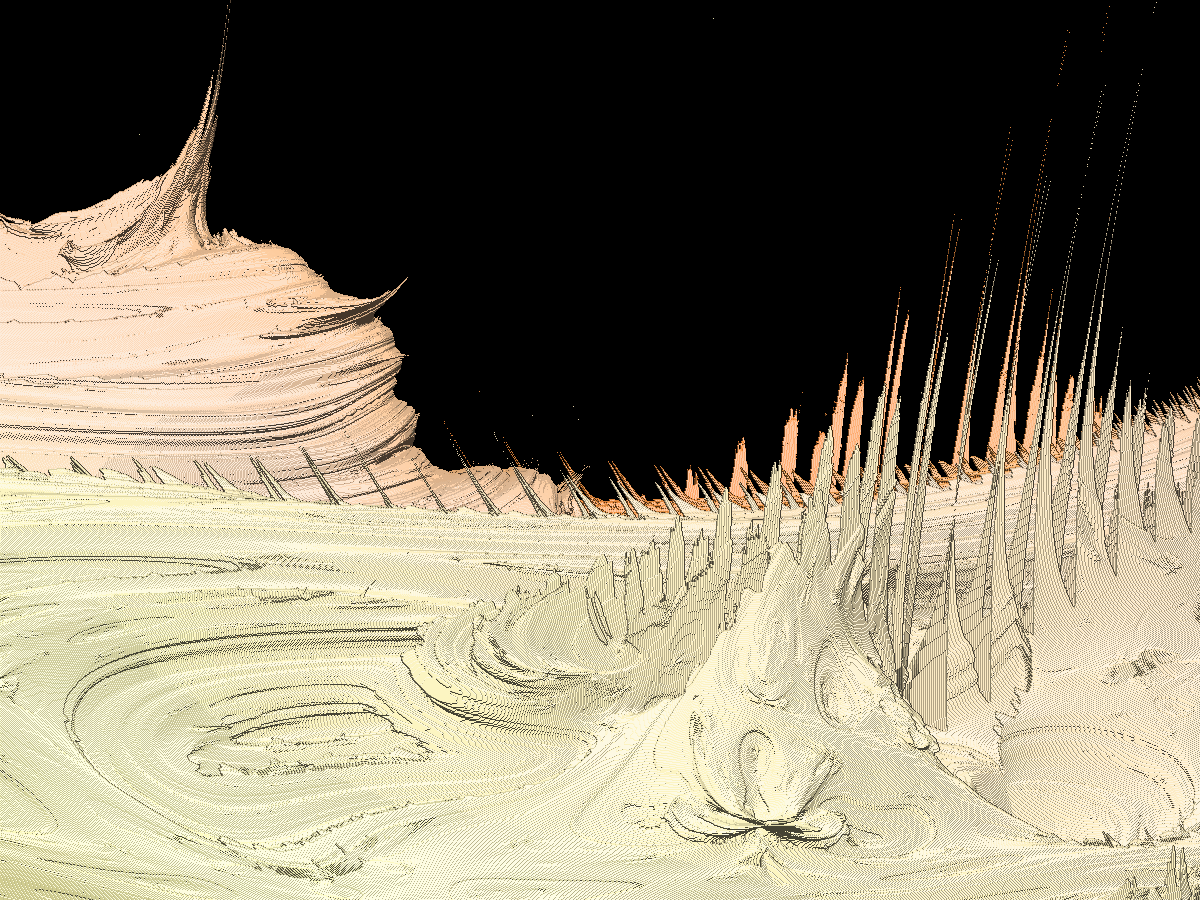

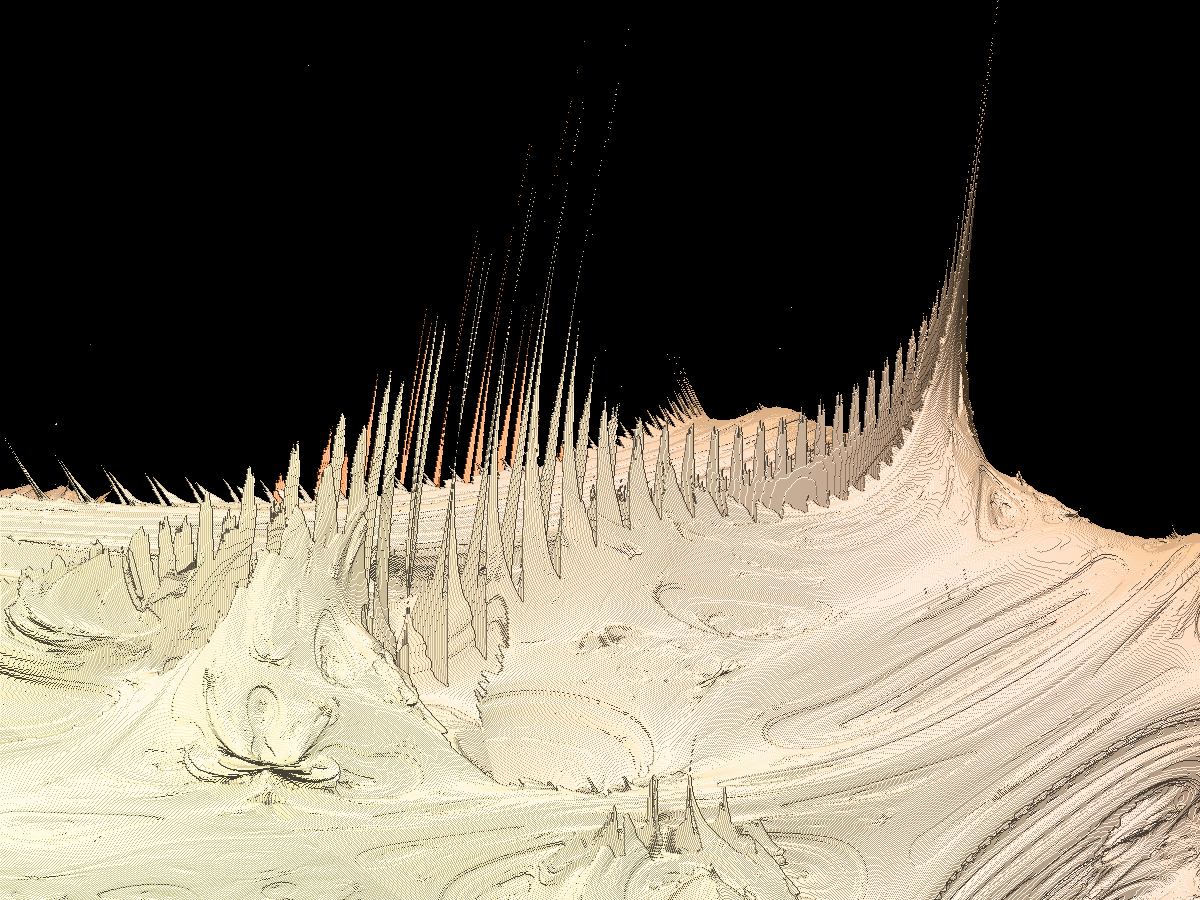
Well, I hope that was fun. Fractal exploration will probably be as endless and extensive as the real universe is supposed to be. But closer, cheaper, no waiting. Did you know it would take 8,000 years to reach the nearest star to Earth, Alpha Centaurii, travelling at the fastest speed of any man made object today like a space probe? That’s too much rendering time for anyone.