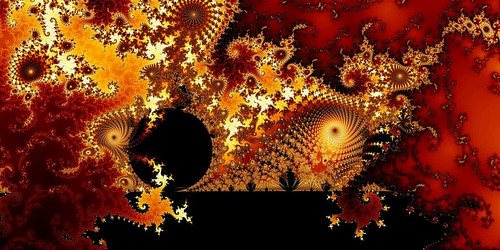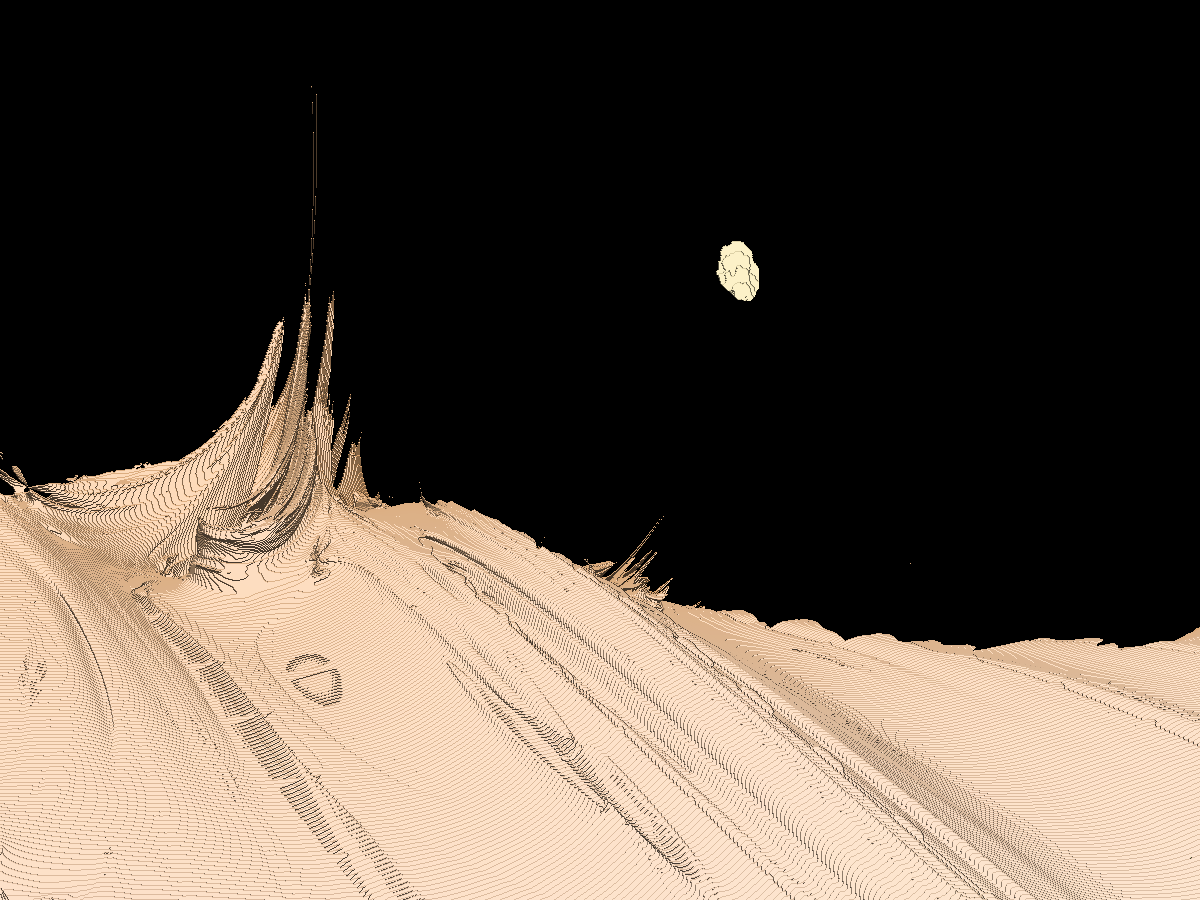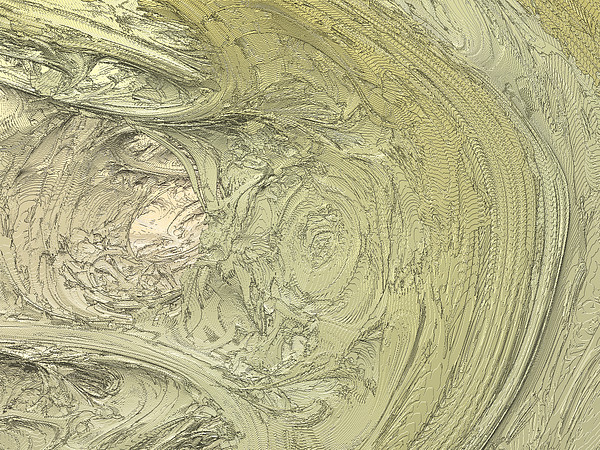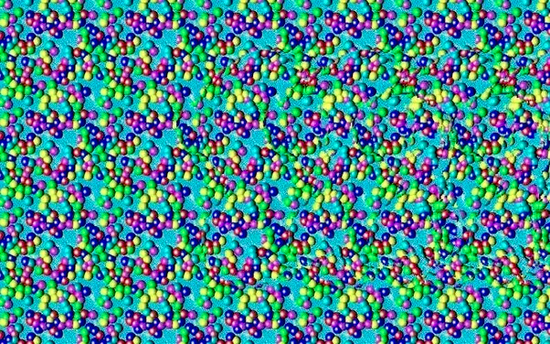
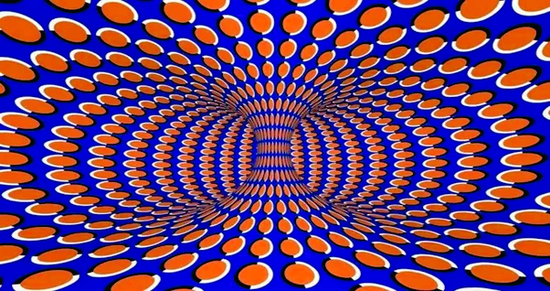


Maurizio Bolognini, Programmed Machines, Nice, France, 1992-97: hundreds of computers are programmed to generate an inexhaustible flux of random images which nobody would see. [Ed. note: nobody but me!]


The Idea Behind This
…was to get you to see the optical illusion quality that characterizes the phenomenon of art.
What is an optical illusion other than something you know you can see (because you’re looking at it) and yet may not be evident to everyone? They’re not blind, they just don’t see what you’re seeing.
There are tricks to getting someone to see them, like looking for the young woman inside the face of the old one. Or telling people the ears of the rabbit is the bill of the duck and they’re looking in two different directions. But won’t there always be some people who just don’t see what you’re seeing?
And with the Mona Lisa, the biggest optical illusion of all time, you tell people to look for a smile that is about to break. That’s the art in the Mona Lisa that makes it more than just a portrait: the enigmatic expression that smiles while you look at it. But isn’t it just auto-suggestion? And aren’t there even better optical illusions than the great Mona Lisa? Did Leonardo see it? He painted it, didn’t he?
I’ve been ruminating deeply on things like the meaning of art and the way in which algorithmic art overlaps and doesn’t overlap the art domain. I had a whole bunch of things to say but after thinking the whole matter through “to its logical conclusion” I realized, simply, that “Art is an optical illusion that not everyone can see.” It sums up all my thoughts perfectly and really needs no explanation other than a field trip to a gallery to give examples. That’s what art is, and that’s all art is: the illusions we see and the one’s we don’t. Call them nuances.
Part three is where the rubber meets the road: “How to judge art and not feel stupid.” Plenty of pictures and even more fun than this one.